


Catch and Release fishing will be banned in Switzerland from next year, it was revealed this week. And anglers in the country will have to demonstrate their expertise by taking a course on humane methods of catching fish, under new legislation outlined by the Bundesrat - the Swiss Federal Parliament.The new legislation states that fish caught should be killed immediately following their capture, with a sharp blow to the head from a blunt instrument. More
6 to 9 AM Saturday on the 970-WFLA Capt. Mel Show!
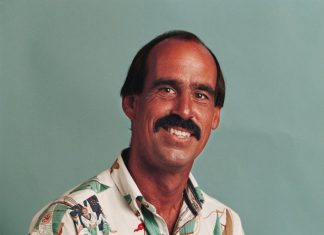
Expert anglers Joe Schlueter and Chris Robinson share their ideas for productive inshore and offshore fishing trips.
Inexperienced Anglers Need To Know Basics For Successful OutingsOne of the most common e-mails I get these days is from readers who have been here a year or two, but have yet to master the basics of success in inshore saltwater fishing. It's a big, confusing world out there on the water, and many find it so challenging and frustrating they eventually give up and take up golf - which, of course, has no frustrations. So, herewith, a very basic primer. Where you fish is the first key. There are a lot of places where they ain't, as an old skipper told me many years ago. And if you fish where the fish are not, no matter how patient you are, you catch zip. Maybe even double-zip.
Round of Applause for Tarpon Roundup's All-Release Format For several years my 6-year-old son, Kai, has been bugging me to go out and catch "a big metal fish" like the one hanging on the wall at Mastry's Bar & Grill on Central Avenue in downtown St. Petersburg. Now before you call the authorities and report me as an unfit parent, let me explain. I do not drag my son to saloons on a regular basis, although he does share his share his father's passion for a nice cold root beer now and then. No, we were in Mastry's to talk fishing, tarpon in particular, with owner Jay Mastry, who has probably caught more of these chrome-bodied bruisers than any other bartender east of 16th Street.
The Great Spring Snook MigrationIs it temperatures, time of year, instincts or traditional migration patterns? Whatever the motivation, this is a season when Florida’s snook populations leave their low-salinity wintering locations in the upper estuaries, ultimately moving onto their spawning grounds at beaches, deep passes and barrier islands where they spend the summer. What are some of the way points for snook as they head for their warm weather locations? Where would they be found during this transitional period? For some authentic answers, we turned to Ron Taylor, the pre-eminent FWC snook scientist at the Fish and Wildlife Research Institute in St. Petersburg.
It's Channel Catfishing TimeWhile spring weather has many anglers across the country scratching their heads about where to go and what to do as lakes and rivers are high and muddy in some regions and low and clear in others, there is one group that doesn't care about the conditions - catfish anglers. "Channel catfish are the most widely stocked species in the country," said longtime guide and the founder of Team Catfish Tackle, Jeff Williams. "They can be found virtually in every kind of water we have, from neighborhood ponds to the largest rivers and reservoirs. Spring is a great time to catch catfish because they are often shallow and close to the banks."
Oxygen-Poor Ocean Zones are GrowingOxygen-starved waters are expanding in the Pacific and Atlantic as ocean temperatures increase with global warming, threatening fisheries and other marine life, a study published today concludes. Most of these zones remain hundreds of feet below the surface, but they are beginning to spill onto the relatively shallow continental shelf off the coast of California and are nearing the surface off Peru, driving away fish from commercially important fishing grounds, researchers have found. Altered Oceans Underwater deserts
May Time is Peak Fishing timeThis is the month that I wait for all year long, the beginning of tarpon fishing season along our beaches. While tarpon are gathering along our beaches, snook will be doing the same thing in passes and in the surf. Reds will be actively feeding along mangrove shorelines, in potholes and along sandbars in bays and backcountry areas. Deep grass flats should also have lots of variety with trout, bluefish, pompano and more.
Former President Bush's Catch Opens Up TarpongateUpon seeing the recently distributed news release of former President George H. W. Bush with his catch of a tarpon, alert reader Peter Fleming forwarded the accompanying picture, which shows the 84-year-old ex-president with a tarpon across his lap. Running through the tarpon's gills was a rope rather gleefully held by its captor. Fleming's e-mail subject: "Rank has its privileg
The Options are Many in Lower Tampa BayOne would think that an area along the southeastern shore of a major metroplex like Tampa Bay would be a difficult place to scare up a decent snook or redfish. But nothing could be further from the truth. Fortunately for the environment and the thousands of fishing enthusiasts, Lower Tampa Bay is still a rich, pristine environment. It is an intricate maze of mangrove islands and passes that hold thousands of inshore species of every sort.
Big Bluefish Catch Comes as Pleasant Surprise in CanalThere are all kinds of surprises in South Florida's residential canals. After a storm-shortened offshore fishing trip with his father and brother, Samuel Yohanan decided to fish in a canal off the Intracoastal Waterway in Fort Lauderdale. The last thing any of them expected Samuel to catch was a big bluefish.
The Lowly Mullet Ain’t So Shabby!The harvest of black mullet in local waters has persisted for many years…in fact, more years than one can probably imagine. Yes, the lowly mullet has been sought after by not only frequent generations of fishermen, but by civilizations much farther back in time. Kind of hard to imagine, but it’s true.
GPS Marks Manatee And Security ZonesOne of the major problems for boaters traveling the waters of Florida these days is knowing exactly where the "no-go" zones for manatees and for homeland security are located. In many areas, the no-entry markers are spaced widely, or so far from shore that a boater can easily fail to see them and get into trouble.
Captain Mel Berman's Florida Fishing Online Magazine - your total resource for up to the minute saltwater and freshwater fishing information. Join radio talk show host and outdoor journalist Captain Mel Berman and discuss topics related to fishing Florida's bountiful waters. Interact on the forums, peruse the hundreds of fishing articles, check out the fishing reports -- tides, weather, and more...